
How do dating apps make money?
The business model behind dating apps, why a small share of users carries the revenue, and the main ways operators monetize.
Reviewed by an operator. Last updated June 27, 2026. Led by founder and CEO Bill Alena, backed by a team of industry experts with over 100 years of online dating experience between them.
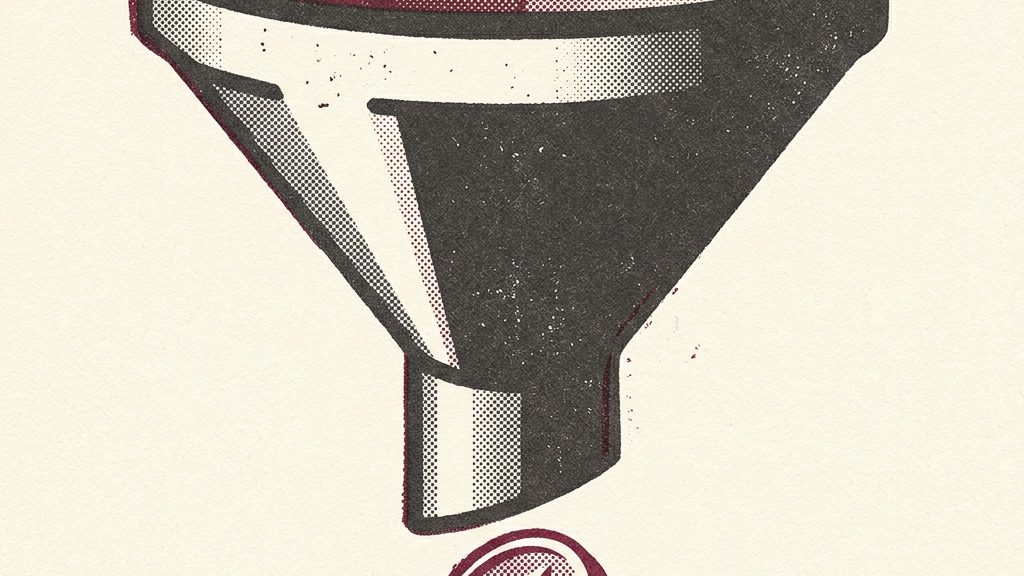
Dating apps look free, but most of them run real businesses underneath, and the money comes from a small minority of users who choose to pay. Understanding that single fact, that the business runs on paying users rather than total users, explains almost everything about how dating apps monetize and why they make the design choices they do.
The main revenue models
There are three building blocks. Subscriptions charge a recurring fee for premium features or unlimited access, giving predictable revenue but exposing the app to high cancellation, because a product that works removes the reason to keep paying. Freemium keeps the core free and earns money from a paywall placed at the moment of highest intent, such as seeing who already liked you. And the a la carte or credits model sells consumable items like boosts and super likes in the moment, which converts intent into revenue immediately and resists the monthly cancel decision. Most strong apps run a hybrid of these.
Why a small share of users carries the revenue
In dating, only a low single-digit percentage of users typically pay. That makes average revenue per user small and a little misleading, because it blends payers and non-payers. The number operators actually run on is average revenue per paying user, often close to the headline subscription price. It also means conversion, the share of free users who ever pay, is one of the most important levers in the whole business.
What about advertising and matchmaking?
A few very large, high-engagement apps earn meaningful advertising revenue, but for most products ads are a distraction that clutters the experience and earns little per user. At the other end, human matchmaking and concierge services charge far more per client, often hundreds or thousands of dollars, because they sell outcomes and personal attention rather than access to a pool.
Why gross revenue is not the whole story
Headline revenue is gross. App store commissions, payment fees, refunds, and chargebacks all sit between that number and the bank, and dating is a high-dispute category, so the gap can be large. A model that looks healthy gross can be marginal once these come out, which is why operators judge a model on net revenue per paying user against the cost to acquire them.
Related reading
For the full picture, see the guides on dating app monetization models and dating app unit economics, and the glossary entries on ARPPU, subscription, and a la carte.
 explainerWhat is the credits model in dating apps?
How the a la carte or credits model works, why it resists churn, and where it fits.
 explainerARPU vs ARPPU in dating, and why the gap matters
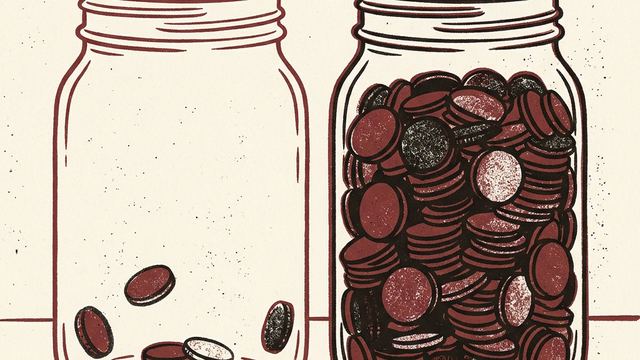
Dating apps live on a small slice of paying users. Mixing up ARPU and ARPPU is the fastest way to overspend on growth.
 explainerWhat is a romance scam, and how do platforms stop it?
The most damaging trust failure in dating, why it is a business and regulatory risk, and how platforms fight it.