
Grindr Says Users Want Authenticity. Its Marketing Budget Disagrees.
Grindr's own Pride campaign undercuts its survey findings, and the mismatch reveals how every major platform manages the gap between what users say they want and what they actually reward.
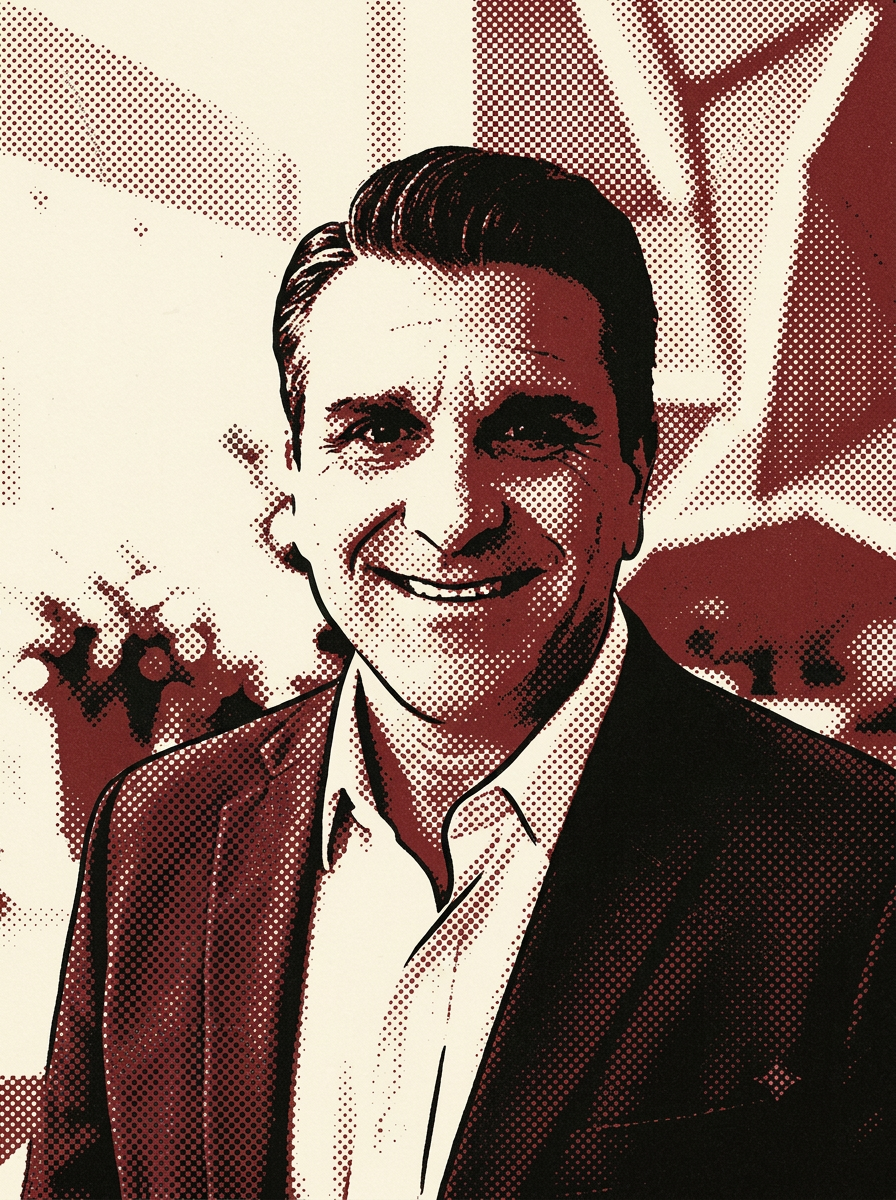

Grindr says its users want authenticity. Grindr is also running a professional thirst trap coaching tour. Both things are true at the same time, and the gap between them is where the real story lives. The survey data tells you what users think they should prefer. The marketing budget tells you what Grindr thinks actually drives engagement.
According to research commissioned by Grindr, the overwhelming majority of UK respondents say the best profile pictures convey character rather than focus purely on physical appearance. The data suggests users are gravitating toward images that project confidence, playfulness, and individuality, even when those photos are still taken in bedroom mirrors, gym changing rooms, and bathrooms. The message, apparently: thirst traps are not dead. They are just evolving.
The High Intent Take
This is either a genuine cultural shift in LGBTQ+ dating app behavior or the most polished example yet of users performing the values they think they should hold. Survey responses about wanting authenticity are cheap. What actually drives engagement, swipes, taps, messages, costs nothing to measure, and Grindr has that data. If the company truly believed authenticity outperformed abs, it would not be running a thirst trap boot camp with a former rugby model as the coach.
The survey may reflect aspiration. The marketing budget reveals where Grindr thinks the money is. For operators watching this: when a platform's stated user preferences and its promotional investment point in opposite directions, trust the promotional investment. That is the revealed preference. The survey is the press release.
What Grindr Is Actually Promoting
The survey findings arrived as part of Grindr's Pride 2026 campaign, which includes the boot camp at London's Mighty Hoopla festival. Former rugby player and model Keegan Hirst is serving as "thirst trap coach," helping attendees take professional photos inside the company's touring activation vehicle. The Rides Europe tour spans multiple cities, positioning Grindr as both community convener and personal branding consultant.
Tristan Pineiro, Grindr's chief marketing officer, framed profile images as "first impressions and statements of confidence" on the platform. Hirst noted that effective thirst traps balance confidence with authenticity while leaving room for curiosity. Neither statement contradicts the idea that physical presentation remains central to how the app functions. They just repackage it as self-expression.
The dissonance is instructive. If users genuinely preferred personality-driven photos that downplay physical appearance, Grindr would not be investing in professional photography support for profile optimization. The company is not betting on candid shots of users reading books or walking dogs. It is betting on better-executed thirst traps that feel slightly less staged. There is a real business logic to that bet, even if it undercuts the survey headline.
Aspiration vs. Behavior in Dating App Data
The broader dating industry has spent years wrestling with the gap between what users say they want and what they actually reward with engagement. Match Group (MTCH), Bumble (BMBL), and others have all promoted features designed to encourage "authentic" profiles, prompts, voice notes, video verification, while their algorithms continue to surface conventionally attractive users first. Platforms optimize for what works, not what sounds virtuous in a survey.
Grindr faces particular pressure on this front. The app remains dominant in the gay dating market but has drawn competition from privacy-focused alternatives and niche platforms positioning themselves as spaces where the identifiable profile picture holds value as a marker of authenticity. Some of these apps explicitly market themselves as spaces for connection beyond physical presentation, targeting users fatigued by Grindr's reputation.
The paradox, exhausted users who keep swiping, suggests the problem is not ignorance about what drives better outcomes. It is that short-term dopamine hits from matches with polished profiles outweigh long-term dissatisfaction with shallow conversations. That fatigue is real. User complaints about superficial interactions have been consistent for years, even as engagement metrics hold steady or grow. Survey data claiming users prefer authenticity does not resolve that paradox. It just adds another layer of performance: users now know they are supposed to value personality over appearance, so they say they do.
Whether that translates into different swiping behavior is the only question that matters, and self-reported preferences are a poor proxy for it.
The data behind the survey also reveals something specific about generational expectations. Gen Z members in particular are increasingly vocal about wanting profiles that signal personality and intent rather than relying solely on physical appearance. That preference is real and measurable in qualitative research. The question is whether it survives contact with actual swiping conditions, where the entire interaction begins with a photo and decisions happen in under a second. Stated values and split-second behavioral responses are different cognitive processes. The industry has not yet built tools that bridge them reliably.
The Commercial Calculation
Grindr's decision to pair this survey with a branded activation promoting professional photo coaching is not necessarily cynical. It is strategic. The company can acknowledge users' stated preference for authenticity while still meeting them where their actual behavior lives. If users want thirst traps that feel less artificial, Grindr will help them create thirst traps that feel less artificial. Problem solved, or at least reframed.
The approach also positions Grindr as responsive to cultural shifts without requiring meaningful product changes. Adding a few survey-backed talking points about character and individuality costs nothing. Redesigning match algorithms to deprioritize physical appearance would require rethinking the app's core mechanic, and risking engagement drops if users do not actually want what they say they want. Other platforms face the same calculation. Trust and safety teams talk about fostering genuine connections. Product teams optimize for session length and match volume. Marketing teams commission surveys about authenticity. Revenue teams watch retention metrics. The incentives do not align.
Research across dating platforms shows that profile photo choices directly affect their chances of engagement on apps like Grindr, with a majority of Gen Z and millennials abandoning dates over misrepresented profile images. Yet those same users continue to curate their own profiles with professional-grade precision, knowing exactly what the game requires. That is not hypocrisy. That is rational adaptation to an environment the platform built.
Users can say they want personality-driven profiles all they like. Until swiping behavior changes, and until platforms build around that change rather than pay lip service to it, the gym selfie is not going anywhere. It is just getting a rebrand.
For operators tracking GRND, the Pride activation represents continued investment in brand positioning as the company navigates increased competition. For members, it is another data point confirming that cultural conversations about authenticity are moving faster than app mechanics. The survey is the story Grindr wants to tell. The boot camp truck is the story the data tells.
- Watch for disconnect between dating platforms' marketing rhetoric about authenticity and their actual product development priorities: revenue teams optimize for engagement metrics that may contradict stated user preferences, and the gap between the two is where competitive opportunity lives.
- Self-reported survey data about wanting "personality-driven" profiles means little without corresponding changes in swiping behavior and algorithmic prioritization, operators should measure revealed preferences, not stated ones.
- Grindr's strategy of acknowledging cultural shifts while doubling down on professional photo optimization may become the industry template for managing the aspiration-behavior gap without risking engagement drops.
Read next
More in The Data →


Have a tip, a correction, or a pitch?
We're the people who write and edit this newsroom. Write to us directly, we reply within one business day.
Sources are protected. We reply personally.
The weekly editorial for operators in the dating industry.
Long form opinion from people who have built and sold dating businesses. Read past editions.