
Marquette Poll Shows Dating Apps Lag Behind In-Person Dates: Founders Should Focus on Offline Engagement
Marquette Poll finds 49% of singles don't date; 70% avoid dating apps. Founders should enhance offline engagement to capture this market.


A recent nationwide poll reveals significant shifts in how Americans approach dating, social trust, and interpersonal connections in the digital age. The survey, which included more than 1,500 adults, uncovered striking generational differences in trust levels and dating behaviors. These findings paint a complex picture of modern social life, where nearly half of adults avoid dating entirely while struggling to balance technology use with face-to-face interaction.
The State of Dating in America
A recent Marquette Law School Poll, conducted between June 9 and 15, found that 27% of respondents go on dates at least once a month, while 24% go on dates a few times a year. Forty-nine percent reported not dating at all. This means that nearly half of all adults have stepped away from the dating scene completely.
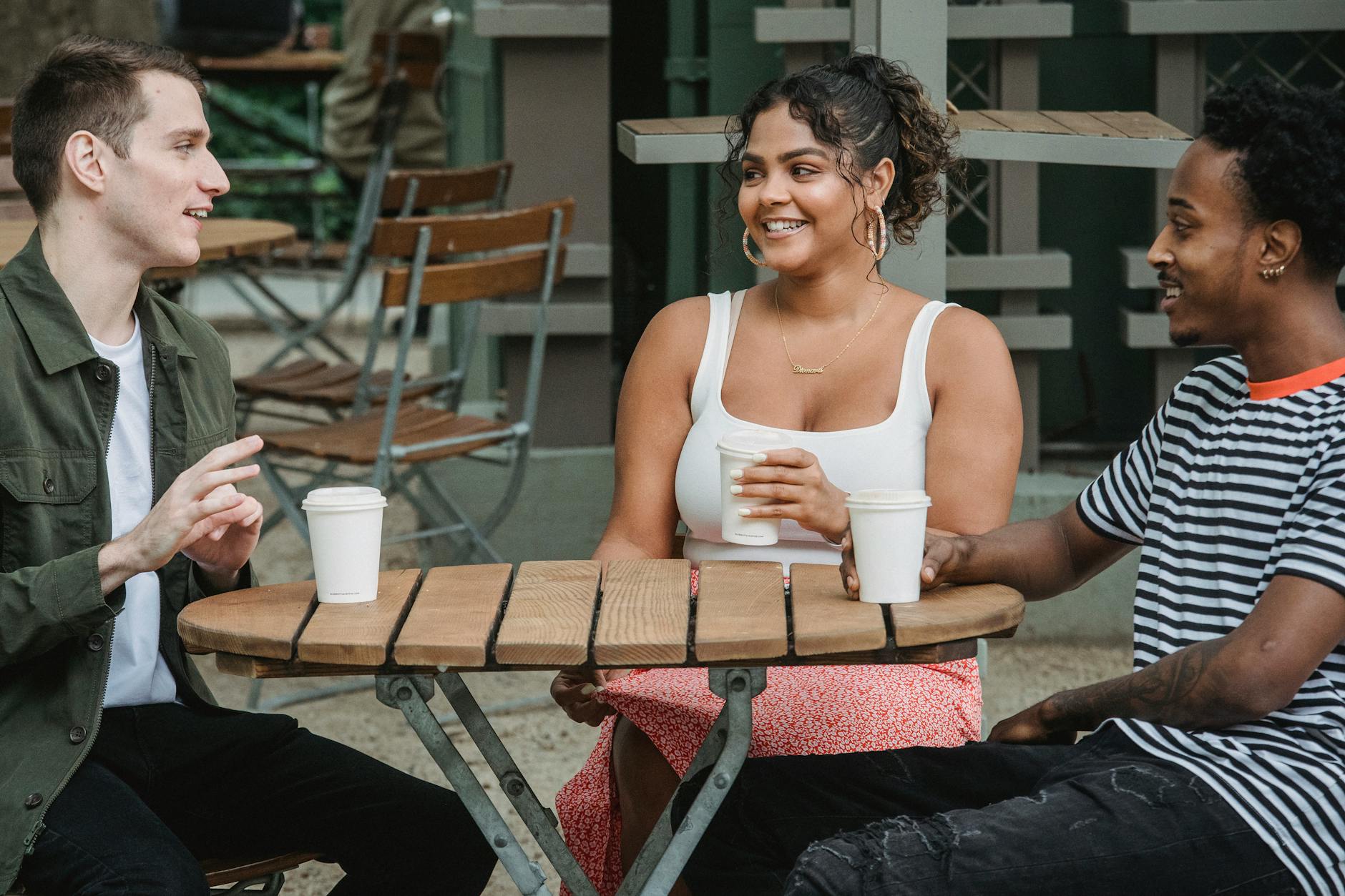
Among single adults, people in their 30s reported dating more frequently than those in their 20s. Most singles over 40 said they do not go on dates. These patterns suggest that the traditional peak dating years may be shifting, with young adults in their 20s potentially delaying romantic pursuits.
Dating Apps and Digital Romance
The poll also examined dating app usage. Fifteen percent of single adults use dating apps at least once a month, and 13% use them a few times a year. Seventy percent of single adults do not use dating apps at all.
Respondents reported going on dates more frequently than using dating apps, suggesting that traditional meeting methods still play a significant role in modern romance.
This disconnect between app usage and actual dating frequency indicates that many people still meet potential partners through work, social circles, or chance encounters. The lower rate of dating app usage compared to in-person dating challenges the narrative that digital platforms have completely replaced traditional courtship.

The Generational Trust Divide
The survey of more than 1,500 adults nationwide also highlighted broader trends in social trust. Only 35% of adults born in the 2000s believe most people can be trusted, compared to 77% of those born before 1960. This dramatic decline represents a fundamental shift in how younger generations view their fellow citizens.
This decline in general trust appears to influence social behaviors. The poll noted that higher levels of trust correlate with more frequent interactions with strangers. Work remains the primary source of face-to-face interactions for many, while more than half of adults reported spending social evenings with friends at least monthly.
The connection between trust levels and social interaction suggests that declining faith in others may be creating a more isolated society, particularly among younger generations.
Technology and Social Connection
Regarding technology, 41% of respondents said they turn to their phones all or most of the time when they are around others, rather than engaging in conversation. Another 40% do this sometimes. This means that over 80% of adults admit to choosing their phones over human interaction at least occasionally.

Despite this, nearly 60% of adults start conversations with strangers at least once a month, and 80% say "hello" to strangers in passing. These statistics reveal a paradox in modern social behavior. While Americans increasingly retreat to their devices, many still maintain basic social courtesies and express willingness to engage with unfamiliar people in everyday situations.
Key Takeaways
- The majority of dating still occurs through traditional in-person methods rather than apps, with people in their 30s being the most active daters among single adults
- A stark generational divide in social trust is reshaping how Americans interact, with younger generations displaying significantly less faith in others
- Despite widespread phone usage during social situations, most Americans still engage in basic interactions with strangers, suggesting hope for maintaining social connections in the digital age
Read next
More in The Data →


Have a tip, a correction, or a pitch?
We're the people who write and edit this newsroom. Write to us directly, we reply within one business day.
Sources are protected. We reply personally.
The weekly editorial for operators in the dating industry.
Long form opinion from people who have built and sold dating businesses. Read past editions.