SURF Partners With the WSL. Brand Exposure Won't Build Density.
SURF becomes the WSL's first official dating app partner for the 8-day US Open. Post-event retention metrics will reveal if niche sponsorships drive real user growth.
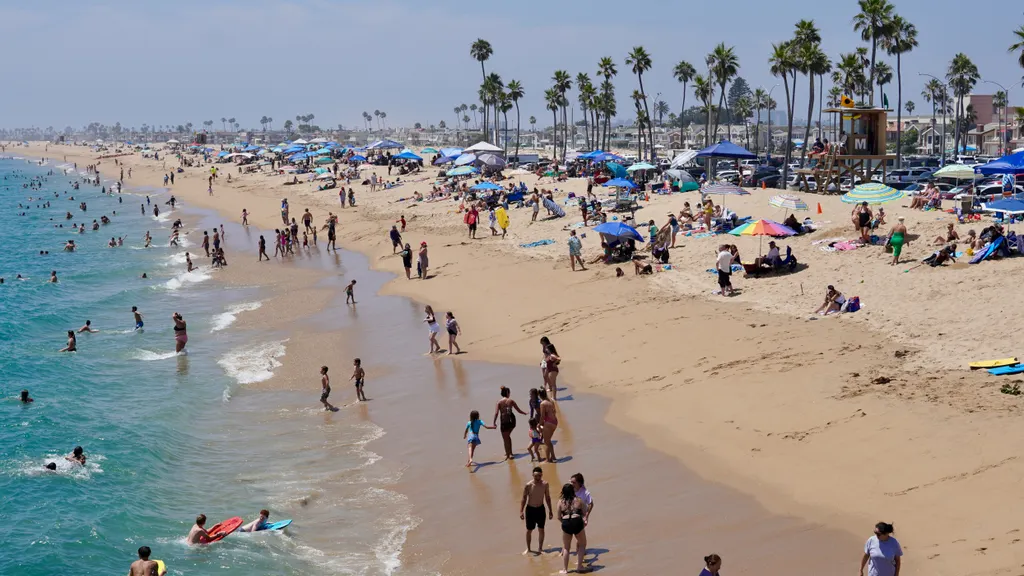
SURF has signed on as the official dating partner for the World Surf League's US Open in Huntington Beach, July 25 to August 2. The WSL gets a new revenue stream beyond wetsuits and energy drinks. SURF gets eight days of brand exposure to a lifestyle-aligned crowd. What neither party has disclosed is whether this kind of partnership actually converts to retained users, and that's the only number that matters for a niche app trying to build a sustainable business.
Event sponsorships are familiar territory in dating. The new question here is whether SURF's model, stacking event partnerships as a primary growth driver rather than paying for mass acquisition, actually works at the unit level.
The High Intent Take
Event sponsorships make sense when you're Match Group (MTCH) with marketing budgets to burn and global recognition to maintain. For a niche app trying to reach profitability, one sponsorship at one surfing event in California looks less like strategic expansion and more like expensive hope. Unless SURF can demonstrate conversion metrics that justify the spend, actual sign-ups, retained users, paying subscribers. This reads as brand awareness dressed up as acquisition strategy. The dating industry has enough failed "shared passion" apps to know that targeting enthusiasts doesn't solve the fundamental problem: you still need enough local density to make matches possible in Portland, not just Huntington Beach.
What Sports Leagues Get from Dating Apps
The WSL's decision to bring SURF aboard signals something broader than one app's marketing budget. Sports properties have spent decades monetizing through beer, automotive, and athletic apparel sponsors. Dating apps represent a newer category, one that speaks directly to the identity and experience economy that younger audiences respond to in ways that a car sponsor doesn't.
Nicole Metzger, WSL Chief Revenue Officer, framed the partnership around "community spirit" and "real connections," noting that SURF "focuses on shared passions" in ways that align with the event's atmosphere. The league believes its audience skews young, single, and lifestyle-focused enough to make a dating app sponsorship worth the association. Five years ago, that framing would have felt strange. Today it tracks, both industries are positioning themselves around identity and belonging rather than pure utility.
The WSL isn't alone in this shift. Dating apps have sponsored music festivals, running events, and food expos with increasing frequency since 2020. Match Group brands have dabbled in experiential marketing for years. Bumble (BMBL) famously invested heavily in offline activations before its valuation collapsed. What's different here is the specificity. SURF isn't trying to be everywhere. It's stacking event partnerships that reinforce a consistent brand positioning around shared lifestyle interests, not paying for a booth at Coachella.
The Economics Nobody Wants to Discuss
SURF's pitch is that interest-based filtering produces better matches than geolocation and age ranges alone. That may be true. But the dating app graveyard is full of platforms that promised better matching through specificity, diet preferences, dog ownership, height requirements, political alignment. The challenge isn't whether surfers want to date other surfers. It's whether there are enough active surfers in any given city to make a surf-specific app viable compared to simply noting "I surf" on Hinge.
SURF offers its activity filters for free, which means monetization happens through premium subscriptions or in-app purchases once users are engaged. That works if you have volume. A sponsorship that delivers 5,000 new sign-ups sounds significant until you account for retention curves: if 90% churn within 30 days, the unit economics look grim, and the cost-per-retained-user on a single event sponsorship is almost certainly higher than paid digital acquisition at scale.
Tinder didn't build its user base by partnering with niche sporting events. It blanketed university campuses and music festivals where thousands of singles were already congregating. SURF is buying association, not ubiquity, and association doesn't compound the way network effects do.
CEO Rob Long describes SURF as helping singles "find someone who truly shares their lifestyle, not just their interests in theory." That's a real positioning gap. The harder problem is that most event attendees already have Tinder or Hinge on their phones. A WSL profile tag might feel novel for a weekend. If the app lacks sufficient local density back home in Phoenix or Portland, users abandon it, and no amount of brand alignment with surfing culture fixes the network density problem.
What Operators Should Watch After the Event
The real test for SURF starts on August 3, when the event ends and the app needs to demonstrate it built something that lasts beyond the weekend. The partnership aims to connect wave riders who share a lifestyle, but sustained engagement requires users to find matches in their home markets, not just at Huntington Beach.
If SURF's WSL partnership generates measurable growth, disclosed sign-ups, sustained engagement, revenue impact, expect other niche apps to follow with similar sports and lifestyle tie-ups. Rock climbing apps partnering with bouldering gyms. Yoga platforms sponsoring wellness retreats. The playbook is obvious. If this remains brand visibility without meaningful conversion, the lesson is equally clear: event sponsorships work for awareness, not acquisition. That's fine if you're flush with venture capital and optimizing for the next funding round. It's less fine if you're bootstrapped and facing hard questions about path to profitability.
The deeper question is whether the dating market has fragmented enough to support dozens of viable niche players, or whether capital is getting deployed into over-optimized micro-segments that can't sustain standalone businesses.
Match Group's portfolio approach suggests fragmentation can be profitable, but only with the infrastructure, data, and cross-selling capability to make it work at scale. A standalone surf dating app doesn't have that luxury. The eight-day event is the easy part. What the metrics say on August 4 will tell you whether this model is viable or whether SURF is paying premium prices for temporary attention in a market that rewards persistent network density above all else.
- Watch for disclosed post-event metrics: sign-up numbers, 30-day retention, and revenue impact. Without these, you cannot assess whether niche event sponsorships drive real user acquisition or serve only as brand awareness for investors.
- The success or failure of this partnership signals whether the dating market can support multiple specialized platforms or whether network effects still favor generalist apps with geographic density, the answer has implications for every niche app currently raising or planning to raise.
- Operators with niche positioning should honestly assess local user density before committing to event-based growth strategies. If your target segment can't produce viable matches within 25 miles of a typical user's home, you're building a feature, not a standalone business.


Have a tip, a correction, or a pitch?
We're the people who write and edit this newsroom. Write to us directly, we reply within one business day.
Sources are protected. We reply personally.
The weekly editorial for operators in the dating industry.
Long form opinion from people who have built and sold dating businesses. Read past editions.