
Tinder Bets Its Future on a Biometric Partner Two Nations Banned
Match Group partnered with World for iris-scan verification on Tinder, a company Spain suspended and Kenya banned. Here's what that choice reveals about the pressure MTCH is under.

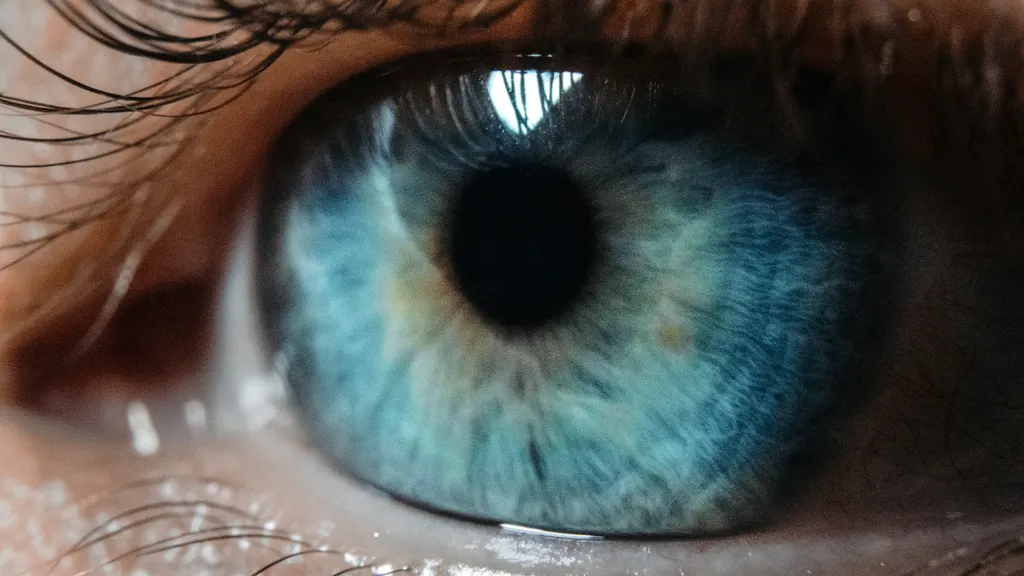
Match Group is outsourcing its trust problem to one of the most scrutinized biometric data companies on the planet, and calling it innovation. The partnership with World, Sam Altman's iris-scanning venture, formerly known as Worldcoin, ties Tinder's verification strategy to a company that Spanish regulators suspended in 2024, that Kenya banned outright, and that German authorities are still investigating. That is the foundation Match Group chose to build on.
According to Yoel Roth, Match Group's Trust and Safety lead, iris scanning is "the next natural step" in platform security as AI-generated fake profiles proliferate across Tinder. The existing video selfie requirement has proven insufficient: generative AI tools now produce convincing fake profiles so cheaply that the volume has overwhelmed traditional defenses. The solution Match Group landed on puts users through a physical trip to a World orb location, an iris scan, and an entry into a global biometric identity database controlled by a company with a regulatory track record that should give any compliance team pause.
The High Intent Take
The AI arms race in dating is eating its own tail. The same Silicon Valley ecosystem that unleashed the deepfake tools now threatening platform integrity is selling the surveillance infrastructure to fight them, and Match Group just signed up. This is a defensive move dressed as strategy, and the tell is the partner choice. If your priority were regulatory safety, you would not pick a company under active investigation in multiple EU markets. You pick World when you want headlines and Silicon Valley credibility, not when you want a clean compliance path through GDPR territory.
Biometric databases represent targets that never stop being valuable to hackers. A breach of iris scan data is not like a leaked password. Users cannot change their irises.
World's Regulatory Baggage Is Not Ancient History
Spain's data protection authority suspended World's operations in 2024 specifically because of how the company collects and handles biometric data. The Kenyan ban was not reversed. German regulators are actively examining iris storage and processing practices. These are not legacy problems from a prior era of the company. They are current, ongoing regulatory engagements in markets where Tinder operates at scale.
Match Group must comply with the EU's Digital Services Act and General Data Protection Regulation across the bloc. Partnering with a company facing active challenges in several European markets is a compliance gamble, not a compliance solution. The company's investor communications emphasize robust data governance. The partner selection contradicts that positioning.
The technical questions the announcement left unanswered compound the concern. What happens to iris scan data when a user deletes their Tinder account? Does Match Group hold copies, or does World control the biometric database entirely? How long is the data retained? Can it be shared across Match Group's other dating brands? None of these were addressed at launch, which means rival operators' compliance teams are already drafting memos about what not to replicate.
The Commercial Pressure Behind the Privacy Gamble
Strip away the trust-and-safety language and this partnership reflects a company under real pressure making a high-stakes differentiation bet. Tinder has lost paying subscribers for multiple consecutive quarters. Niche competitors are gaining ground. Investors want evidence of a credible response to the bot and scammer crisis that has undercut user confidence for years.
The underlying problem is genuine. AI-generated profiles have made visual-first platforms significantly harder to trust. Seeking, a competitor in the transactional dating segment, has already deployed AI-based verification. The market expects the category leaders to respond. Match Group responded, but the response introduces friction that will almost certainly reduce legitimate user acquisition alongside scammer acquisition. Requiring users to travel to a physical orb location is a meaningful barrier. Most users will not do it. The ones who do skew toward a specific kind of motivated user, and the ones who skip it will remain on the platform as unverified accounts.
The trade-off between security and conversion rates will determine whether this becomes an industry standard or a case study in what happens when a company prioritizes the announcement over the architecture.
What Operators Who Are Not Tinder Should Watch Now
If Tinder implements iris verification without triggering regulatory action or a mass user exodus, the definition of "verified" in dating shifts dramatically. Video selfie checks and document verification start looking inadequate by comparison. Platforms that cannot or will not match the biometric standard may find themselves positioned as less safe, regardless of their actual trust and safety performance or the quality of their member base.
Bumble (BMBL) and Grindr (GRND) have both invested in identity verification systems. Neither has moved toward biometric scanning at this level. Both are watching carefully because both face the same AI-generated profile problem, and neither wants to be second to act if this works, or first to follow if it fails.
What Match Group needed was a verification system that rebuilds user trust without introducing new categories of privacy risk. What it chose is a partnership with one of the most controversial biometric data operations in tech, fronted by the most recognizable face of the AI boom.
The industry-wide question underneath this is whether dating platforms are solving the AI problem or creating new ones with longer fuses. A biometric database is an extraordinarily attractive target for bad actors. The security implications of a breach are permanent, unlike a password, an iris cannot be reset. For an industry already in a trust deficit, adding iris data to the attack surface is a consequential decision, not a feature launch.
The final verdict on whether this is bold product leadership or regulatory recklessness will come once European privacy authorities weigh in on the arrangement. Several of them are already familiar with the other party in this deal.
- Watch for regulatory response from EU data protection authorities, particularly in Spain and Germany where World already operates under scrutiny, an enforcement action could force Match Group to suspend or restructure the program entirely.
- Track user adoption rates and onboarding conversion data closely: the physical friction of iris scanning will create a real-world test of how much privacy exposure users will accept in exchange for perceived safety on a dating platform.
- If biometric verification becomes the industry standard for proving humanity online, the operators who partnered early with World gain network effects in the credential ecosystem, and those who waited will face a harder rebuild, including the cost of building or buying alternative infrastructure.



Have a tip, a correction, or a pitch?
We're the people who write and edit this newsroom. Write to us directly, we reply within one business day.
Sources are protected. We reply personally.
The weekly editorial for operators in the dating industry.
Long form opinion from people who have built and sold dating businesses. Read past editions.