
Hinge Brings Its $2.3M Program to France, No Proof It Works
Hinge's One More Hour reaches France with $200K for Gen Z loneliness programs. The program has $2.3M deployed globally, but no verified impact data yet published.
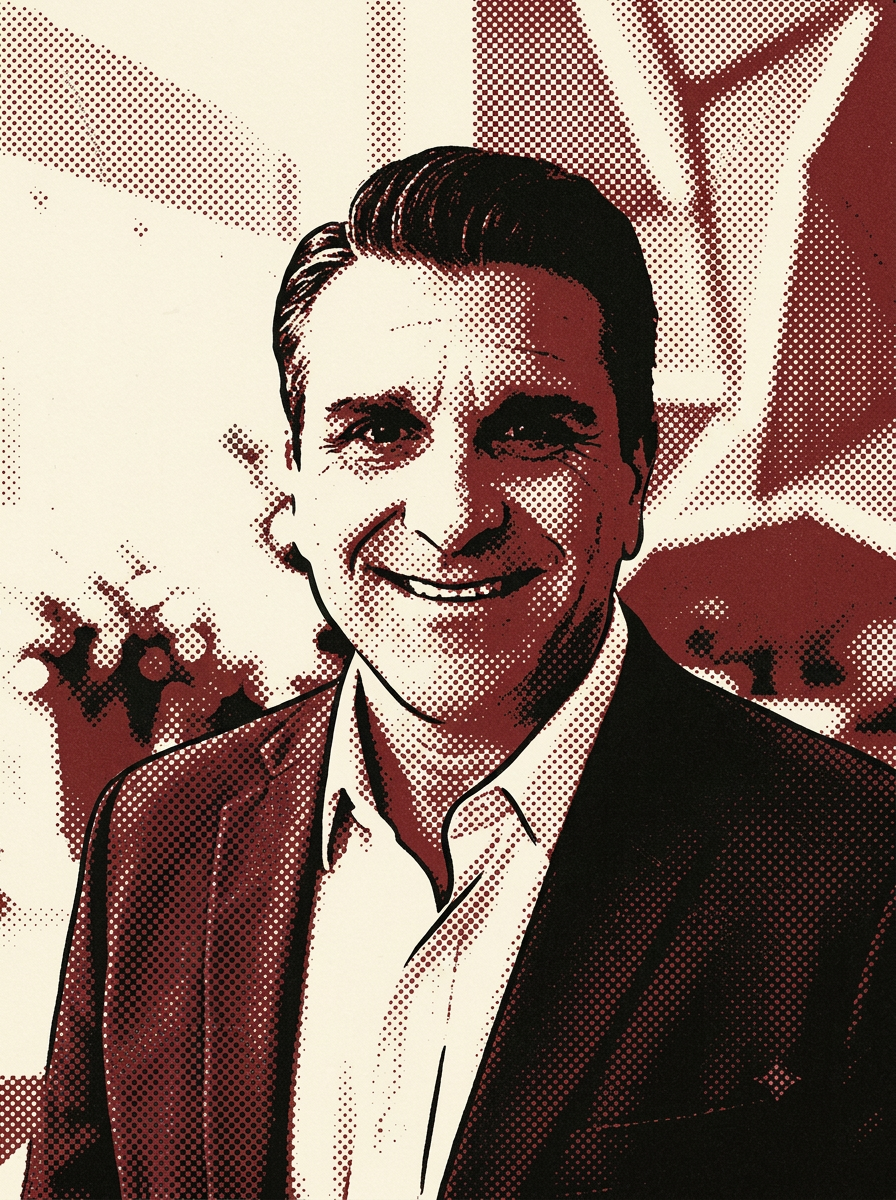

Hinge is writing checks to community groups in France. The One More Hour program has now reached its third major market in as many years, US in 2024, UK in 2025, France in 2026, distributing $2.3M globally to organizations working on Gen Z loneliness while a flagship event lands in Marseille on 30 May. The structural tension here is real and worth naming: a dating app that makes money by keeping people engaged long enough to subscribe is now funding the offline spaces where those same people might meet without ever needing the app at all. Whether that's a contradiction or a strategy depends entirely on which theory of brand equity you believe.
The High Intent Take
There's something genuinely interesting about a dating app funding real-world socializing. The business model tension is real but not disqualifying, Hinge's "designed to be deleted" positioning has always acknowledged the conflict of interest baked into every dating app's unit economics, and funding offline connection is a natural extension of that brand logic. The question isn't whether the intentions are pure. It's whether this moves user behavior or just press coverage. Hinge has had two years of data from the US rollout. Publishing independently verified impact numbers would settle that question. Until then, the program is a well-funded signal, and competitors are watching closely.
From Stunt to Structured Rollout
The timeline matters. One More Hour launched in the US in 2024, expanded to the UK in 2025, arrived in France for 2026. Three consecutive market expansions on an annual cadence is not how you run a marketing flash. It's how you run a phased international deployment, which means either genuine strategic commitment or the most expensive PR tour in dating app history.
Hinge's Chief Marketing and Communications Officer Tamika Young framed the program as recognition of both the desire for connection and the structural barriers preventing it. The French research, commissioned by Hinge, so treat the figures accordingly, found that 62% of French Gen Z adults aged 18, 30 report experiencing loneliness, and 59% have cut back on social outings due to inflation. Nearly half cited a lack of affordable venues. These are real problems. But they are also problems that $200,000 and a Marseille event cannot solve. They require policy intervention on housing costs and discretionary income, not corporate social responsibility grants, however well-intentioned.
What the program can solve, more plausibly, is brand affinity. Fund the spaces where Gen Z socializes, and when they turn to apps, they'll turn to the one that showed up first. That's a reasonable bet in a market where user trust in dating platforms is under pressure from safety failures, addictive design criticism, and extractive subscription pricing.
The Business Model Conflict Nobody Resolves
Dating apps earn revenue from paid subscriptions. The longer someone stays engaged, swiping, messaging, converting, the better for quarterly numbers. Hinge's "designed to be deleted" positioning is clever precisely because it acknowledges that conflict while threading it: frame the app as the fastest route to deleting it, and you attract the users most likely to convert to premium features because they take the search seriously.
One More Hour introduces a version of that conflict in physical form. If the Center LGBTQ Marseille successfully builds a thriving social space where singles meet organically, some of those people will never need Hinge. The alternative reading: users who meet in Hinge-supported spaces carry positive brand associations that make the app their first choice when organic connections don't stick. Both outcomes are plausible. Neither has been verified with data.
$2.3M donated globally against $3.19B in annual portfolio revenue is a rounding error on the marketing budget. Call it what it is, brand positioning during a period of mounting scrutiny, and then ask whether the positioning is working.
The $2.3M figure sounds substantial until it sits next to the context. Match Group's dating portfolio generated $3.19B in revenue last year. For Hinge specifically, the global donation total represents a rounding error on the marketing budget, not a material investment in solving systemic loneliness. That's not a criticism, brand programs don't require charity-scale investment to be strategically sound. But it does frame what this is: a positioning play, executed with genuine effort, at modest financial cost.
What Competitive Silence Tells You
As of this writing, Match Group's other brands haven't launched equivalents. Bumble (BMBL), which has historically positioned itself around female empowerment and community, hasn't announced a comparable offline funding initiative. Grindr (GRND) remains focused on product expansion and trust and safety investments. That silence is informative in both directions: either competitors don't see the business case, or they're watching to see if Hinge's approach generates measurable returns before committing budget.
Hinge extended the France launch beyond Paris to Marseille, a credible attempt at geographic reach rather than photogenic capital-city activations. The company also maintains a social groups directory and the Hinge Phonebook, free resources for in-person activities that cost almost nothing to run and generate brand touchpoints with users who aren't yet paying but will remember which app helped them find a hiking group or pottery class.
If Match Group's other properties or Bumble launch competing offline community programs within 12 months, that tells you One More Hour is driving real brand equity. If nobody follows, the cynical read holds.
The program's design suggests Hinge has thought through the geography of user acquisition more carefully than the dollar figures imply. But thought-through design isn't the same as proven results. Hinge has had two years of US data from this program. Publishing independently verified impact metrics, participation rates, downstream app engagement, conversion lift among event attendees, would transform this from a well-structured gesture into an evidence-based model that competitors would be forced to engage with seriously. Until that data exists publicly, every assessment of One More Hour is a projection, not a finding.
- Watch whether Match Group's other brands or Bumble launch competing offline community programs within the next 12 months. That's the clearest signal of whether One More Hour is generating real brand equity or remaining isolated marketing spend.
- Hinge has two years of US data from this program. Publishing independently verified impact metrics would settle the debate about whether this changes user outcomes or only generates press coverage.
- The structural tension, a subscription app funding offline connection, remains unresolved and commercially interesting. The operator who figures out how to prove that tension converts to retention wins a defensible brand position that money alone can't replicate.


Have a tip, a correction, or a pitch?
We're the people who write and edit this newsroom. Write to us directly, we reply within one business day.
Sources are protected. We reply personally.
The weekly editorial for operators in the dating industry.
Long form opinion from people who have built and sold dating businesses. Read past editions.