
Chunkr Hits 1,500 Users Solving Grindr's Biggest Liability
Chunkr is a one-developer bet that gay men will switch apps for genuine location privacy controls. The dual-profile system is the right product idea. Whether 1,500 launch users can build enough liquidity to survive against Grindr is the only question that matters.
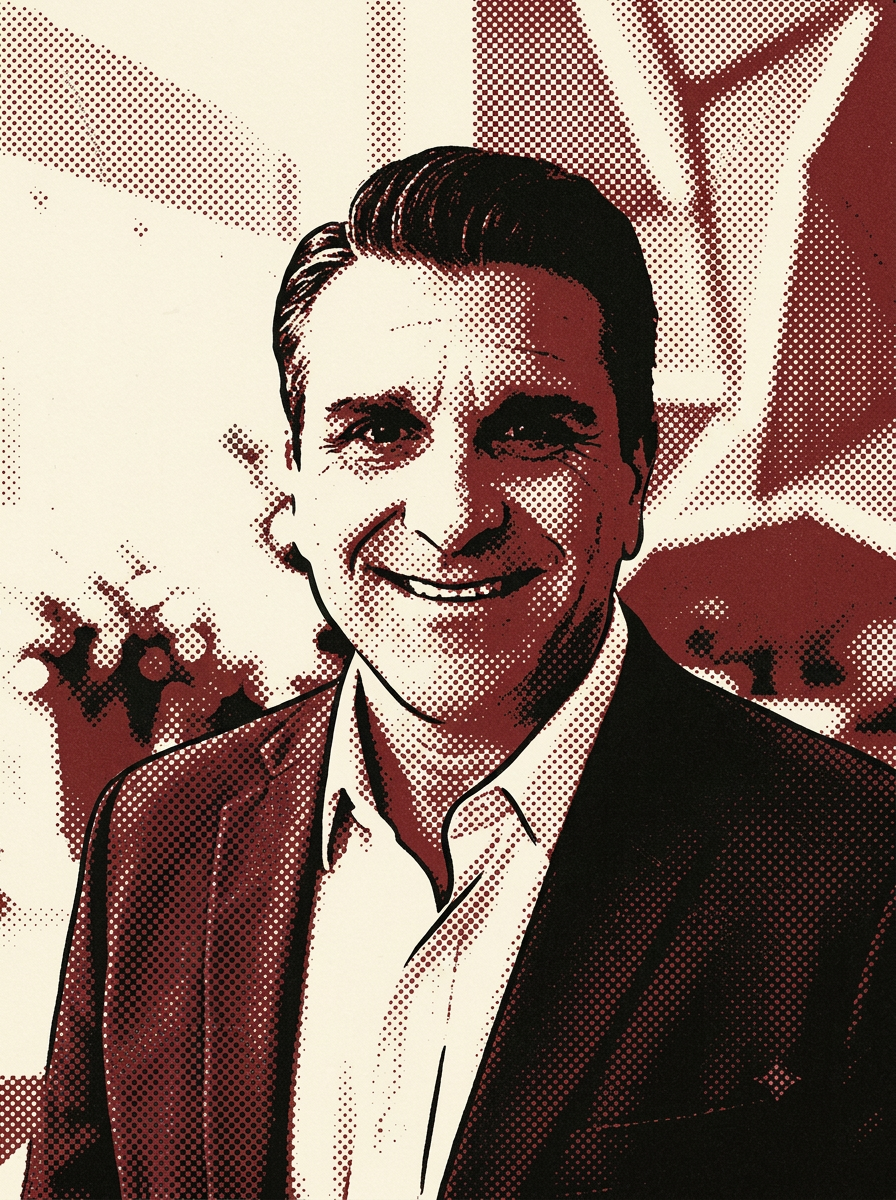

Solo developer Justin built Chunkr to solve a specific problem: gay men want proximity-based discovery without the always-on surveillance that has defined location-based dating since Grindr launched in 2009. Whether that problem is large enough to sustain a business against an entrenched incumbent with 17 years of liquidity advantage is the only question that matters right now.
The High Intent Take
Grindr's persistent reputational damage around data practices is real, documented, and has not killed Grindr's growth, because users keep coming back for the liquidity. Chunkr is betting that privacy controls will finally tip the switching calculation. That is a plausible bet. It is not yet a proven one.
Location privacy is the right problem to solve. The question is whether it is the problem users will actually switch apps to solve, or just the one they complain about while staying on Grindr.
What Is Genuinely New Here
The dual-profile system is the most structurally interesting feature Chunkr offers. Users maintain one identity for browsing the broader grid community and a separate, time-limited presence on the map for immediate local discovery. That separation directly addresses the always-on visibility that location-based apps demand, visibility that compounds harassment, burnout, and the sense that cruising has been industrialized into a 24/7 feed with no off switch.
Growlr and Scruff both built sustainable businesses serving the bear demographic before acquisition. Neither escaped niche status. Chunkr's branding is explicitly bear and cub aligned, but Justin's public comments indicate the design remains accessible to the broader gay community. That positioning is smarter than going deep niche at launch, a tight initial community provides the density needed to solve the cold start problem that has challenged location-based apps since Grindr's 2009 launch, while leaving room to expand as user count grows.
Grindr's interface is utilitarian, function over form, built for speed. Match Group's apps lean toward lifestyle branding disconnected from cruising culture. Chunkr's aesthetic signals cultural literacy: bold, playful, explicitly queer. That matters for the bear and cub community in particular, where identity and subculture are inseparable from the social experience.
What 1,500 Users Actually Tells You
Reaching 1,500 users shortly after an iOS launch says almost nothing about Chunkr's long-term prospects. Any competent launch with modest community buzz can pull those numbers in the first few weeks. The meaningful metrics are 30-day, 60-day, and 90-day retention, and whether active users are opening the app and finding enough nearby profiles to make it worth returning.
Gay dating apps live or die on liquidity. A beautiful interface and thoughtful privacy controls mean nothing if a user opens the app and sees three profiles within 10 miles, none active in the past week. This is not a product problem Chunkr can solve through good design. It is a chicken-and-egg problem that requires geographic concentration early on, putting enough users in a few dense markets before spreading thin across the map.
The 30-day retention number will tell you whether Chunkr has a product or a launch. The 90-day retention number will tell you whether it has a business.
The Near-Term Credibility Tests
Justin kept Chunkr free at launch, the right call. Charging for an app with 1,500 users and no proven liquidity would kill adoption before the product has a chance to demonstrate value. Growth has to come before monetization when you are taking on a network-effects incumbent.
Android parity is the next threshold that matters. If Chunkr remains iOS-only past Q3 2025, that signals one of two things: stalled growth that makes Android development hard to justify, or constrained development resources on a solo project. Either interpretation raises the same question about whether this remains a one-person operation indefinitely. Solo founders build remarkable first products. Scaling a two-sided marketplace against Grindr typically requires more than one set of hands. The move is to get Android shipped, demonstrate retention, and make the case for a small seed round before the initial launch energy fades.
- Track Chunkr's 30-, 60-, and 90-day retention rates and geographic concentration, if the user base is spread thin rather than dense in a few cities, the liquidity problem will kill growth before privacy controls become a differentiator.
- Android parity by Q3 2025 is the credibility test for development momentum; a slip beyond that suggests the solo-founder model has hit its ceiling and external resources are needed.
- Grindr's data reputation problem is real and persistent, if Chunkr can demonstrate meaningful user retention through privacy-forward design, it becomes an acquisition target for any platform trying to serve the LGBTQ+ community without Grindr's baggage.



Have a tip, a correction, or a pitch?
We're the people who write and edit this newsroom. Write to us directly, we reply within one business day.
Sources are protected. We reply personally.
The weekly editorial for operators in the dating industry.
Long form opinion from people who have built and sold dating businesses. Read past editions.