DatePhotos.AI Scores How Fake Your Profile Photo Looks
DatePhotos.AI scores AI-generated dating photos against the same markers platforms use to detect them. Tinder and Hinge banned AI images in 2023. The arms race just escalated.
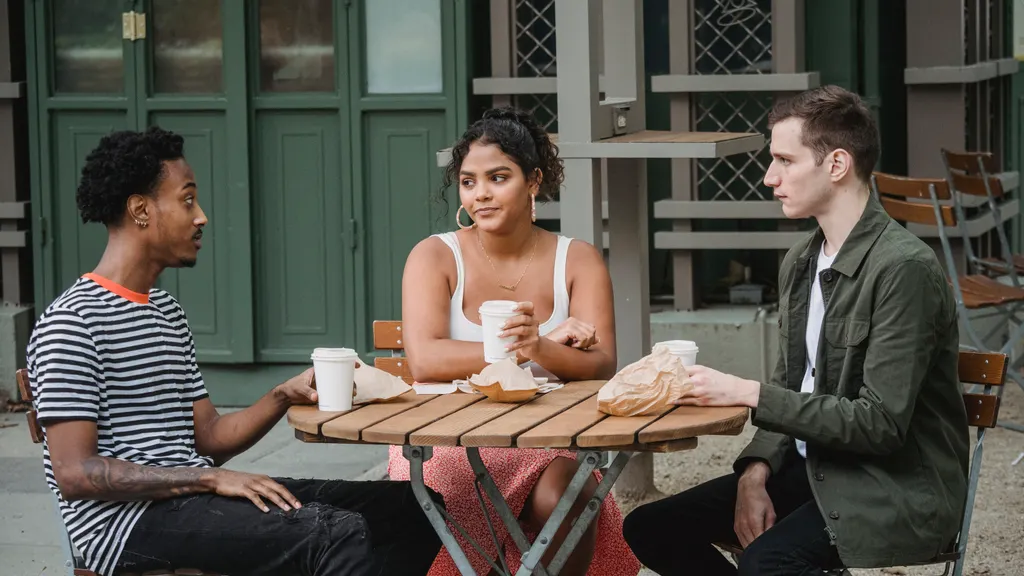
An AI photo service just launched a product that scores how convincingly fake its fake photos are. DatePhotos.AI's Realness Score evaluates AI-generated dating images against the exact visual signals, skin texture consistency, lighting coherence, malformed hands, that trust and safety teams use to catch them. Digital catfishing now has a quality control department. The product is well-named, because "realness" is precisely what it doesn't deliver.
The service exists because of genuine market demand. Dating is brutally visual. First impressions form in milliseconds. The pressure to present an idealized version of yourself has not decreased because the tools to do it have become algorithmic rather than photographic. DatePhotos.AI is not creating a problem. It is productizing one that already existed, and doing it more efficiently than anyone has before.
The High Intent Take
Platforms serious about authenticity already have the technical tools to respond: mandatory photo verification at signup, periodic re-verification, AI detection integrated into upload workflows. Match Group (MTCH) has deployed verification across its portfolio; Bumble (BMBL) made it a core feature years ago. The question was never technical capability. It's enforcement priority and willingness to accept the friction that rigorous verification creates. DatePhotos.AI has forced that question into the open. Every platform that says it cares about authentic member experiences now needs to decide whether it means it. The Realness Score is not the threat. It's the test.
How the Score Works and Why It Matters for Operators
DatePhotos.AI evaluates images across multiple technical dimensions: lighting coherence, skin texture consistency, and what the company calls other visual authenticity markers. The company disclosed these specific criteria in its announcement without providing independent verification that higher scores correlate with lower detection rates or improved match outcomes. The system essentially grades how well a synthetic image can evade the same forensic checks that platform safety teams run.
Several major platforms have moved against this product category. Tinder updated its community guidelines in 2023 to prohibit AI-generated profile images outright. Hinge followed, citing member feedback about feeling misled when matches didn't resemble their photos. Bumble has taken a more graduated position, allowing light editing while explicitly banning wholly artificial images that misrepresent appearance. That divergence in policy creates enforcement complexity when vendors are marketing across all three platforms simultaneously.
The Realness Score isn't solving the authenticity crisis in dating. It's industrializing the workaround.
For trust and safety teams, this matters practically. The service is explicitly designed to help synthetic images evade the forensic controls that platforms have spent considerable resources building. Manual review protocols and automated flagging systems represent real investment. A vendor whose value proposition is scoring how well AI images defeat those controls is not a gray area compliance problem. It is a direct challenge to enforcement integrity.
The Reality Gap Has Consequences
The research on heavily edited dating photos has been consistent for years. The more flattering your photos are relative to your in-person appearance, the worse your real-world outcomes tend to be. Studies tracking first-date results show photos that create significant expectation gaps correlate with lower second-date conversion rates and higher rates of mutual ghosting after meeting. AI-generated images represent the extreme version of this problem.
Traditional photo editing might smooth skin or improve lighting. AI services can generate entirely synthetic images that bear only passing resemblance to the person paying for them. The Realness Score does not address whether someone will recognize you at a coffee shop. It addresses whether the algorithm will flag your photo before you get that far.
Some vendors argue that AI photos are more authentic than selfies, claiming that algorithmic enhancement simply captures users under optimal conditions. Others recommend mixing AI-generated images with authentic photos to reduce detection risk. Both arguments attempt to redefine the problem rather than address it. The actual problem, that users are being misled about who they're meeting, doesn't change because the technology producing the deception has become more sophisticated.
Regulatory Pressure Is Coming
The timing of the Realness Score launch is notable given the regulatory environment. The EU Digital Services Act includes provisions around misleading commercial content. Enforcement has not yet focused heavily on dating profile photos, but the principle of member protection from deceptive practices runs through the framework. UK Online Safety Act obligations similarly emphasize transparent user experiences. Platforms operating in these markets need to demonstrate meaningful action against deceptive profiles, and a service explicitly designed to help fake profiles evade detection creates compliance exposure that will be difficult to explain to regulators.
The AI photo generation market for dating has grown rapidly despite platform resistance. Multiple vendors launched between 2023 and 2024, typically charging £15-35 for a package of enhanced images. The pitch across all of them is consistent: professional-quality photos without a photographer, optimized for dating app algorithms, guaranteed to increase match rates. The evidence for that last claim is thin. No vendor has published independently verified data showing AI-generated photos improve meaningful outcomes, messages received, conversations sustained, dates secured, relationships formed. The metrics they cite are upstream of all that: swipe-right rates, profile views, first messages received.
It's a tool designed to help members bypass platform policies while appearing to comply with them. Rules lawyering as a service.
The competitive dynamic for operators is awkward. Platforms want authentic member experiences and have explicitly banned AI photos to protect that authenticity. They also want engagement, and if AI-generated images are driving more right-swipes and profile visits, that creates short-term metric improvements even as it erodes long-term trust. The Realness Score makes that tension explicit. It's difficult to argue it serves the dating ecosystem's broader interests when the research consistently shows that photographic misrepresentation damages user satisfaction and reduces relationship formation. DatePhotos.AI has productized the exact problem platforms are trying to solve. The response from serious operators should be proportionate to that provocation.
- If your platform hasn't integrated AI image detection into the upload workflow, do it now, the Realness Score signals that the evasion tooling has become sophisticated enough to pass basic manual review at scale.
- Watch for regulatory attention under DSA and UK OSA frameworks if member deception complaints rise; platforms without documented detection and enforcement processes will have difficulty demonstrating compliance.
- Monitor whether the broader AI photo generation market forces industry-wide tightening of verification requirements, if it does, vendors dependent on the current detection gap will need to pivot fast.



Have a tip, a correction, or a pitch?
We're the people who write and edit this newsroom. Write to us directly, we reply within one business day.
Sources are protected. We reply personally.
The weekly editorial for operators in the dating industry.
Long form opinion from people who have built and sold dating businesses. Read past editions.